B2B identity solution • Shipped 2026
Enterprise identity verification solution
TL;DR
I helped shape Teranode Identity from an early MVP into an enterprise identity platform ready for client pilots, evolving the product from standalone portals into an integration platform as we learned what organisations needed to operate at scale.
I contributed to product decisions, prioritisation and roadmap planning while leading the product design of the core portal experiences.
- 6 months
- MVP → first release
- 2+ years
- Continuous feature expansion
- 3 products
- Web portals + Mobile app
Overview
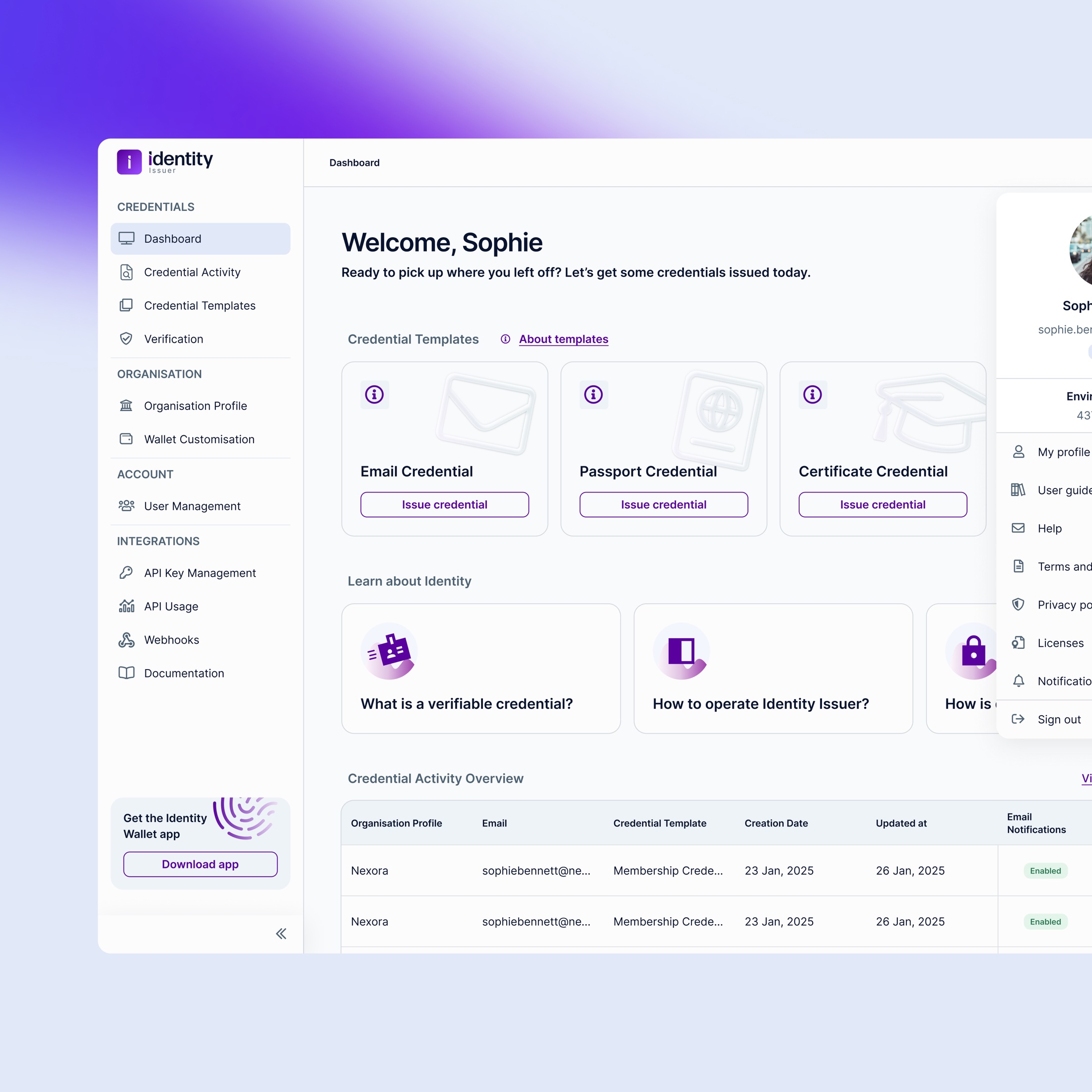
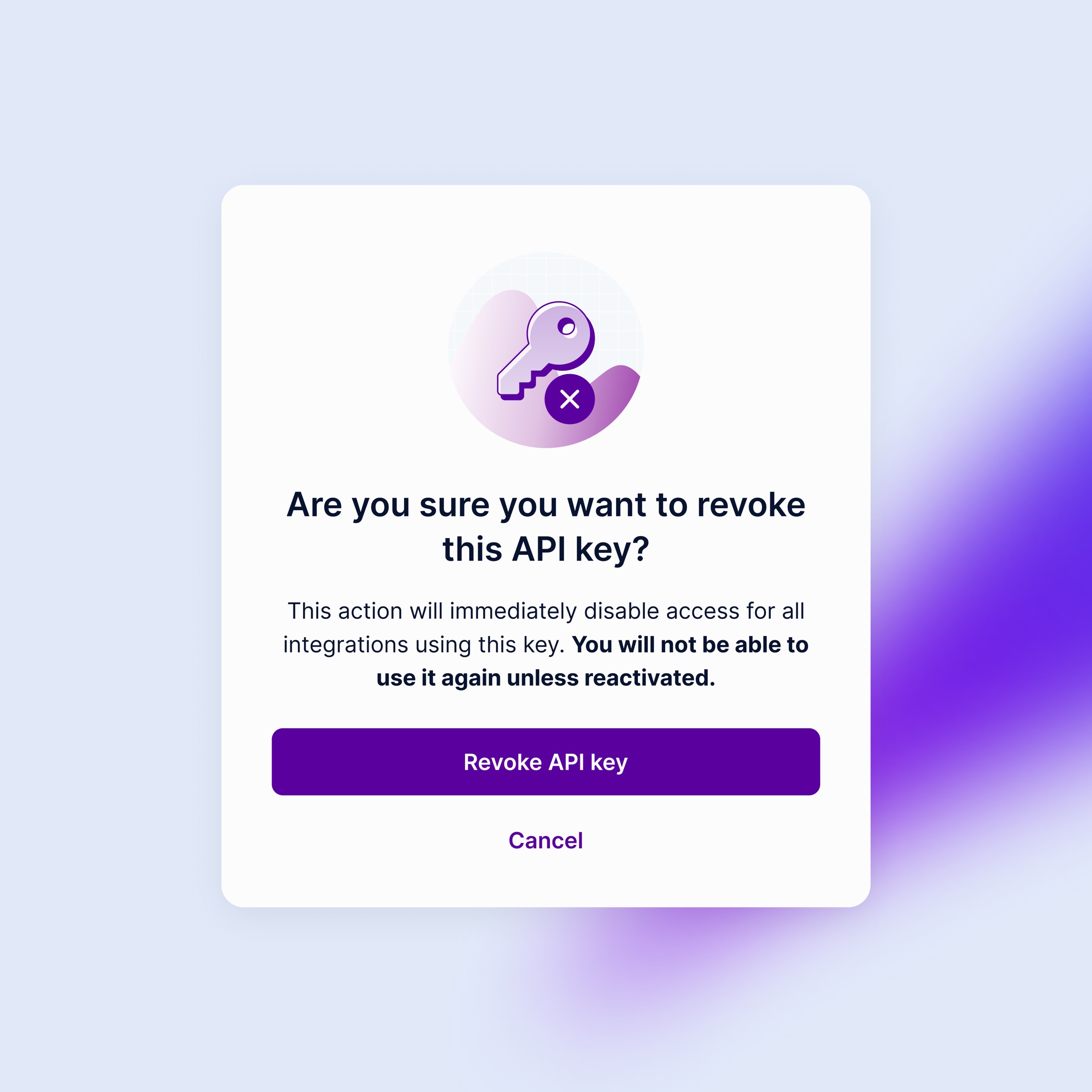
I owned product design and contributed to product discovery and strategy for Teranode Identity’s Issuer and Verifier portals. Working closely with PMs, engineers, commercial teams, and designers, I helped take the product from an early MVP to a solution ready for its first client pilots.
Along the way, I:
- Helped prioritise features & contribute to roadmap planning
- Validated our assumptions through usability testing
- Worked through product trade-offs with PMs, stakeholders and engineers
- Established a scalable design system to support product expansion
Problem space
How do you make identity verification less repetitive?
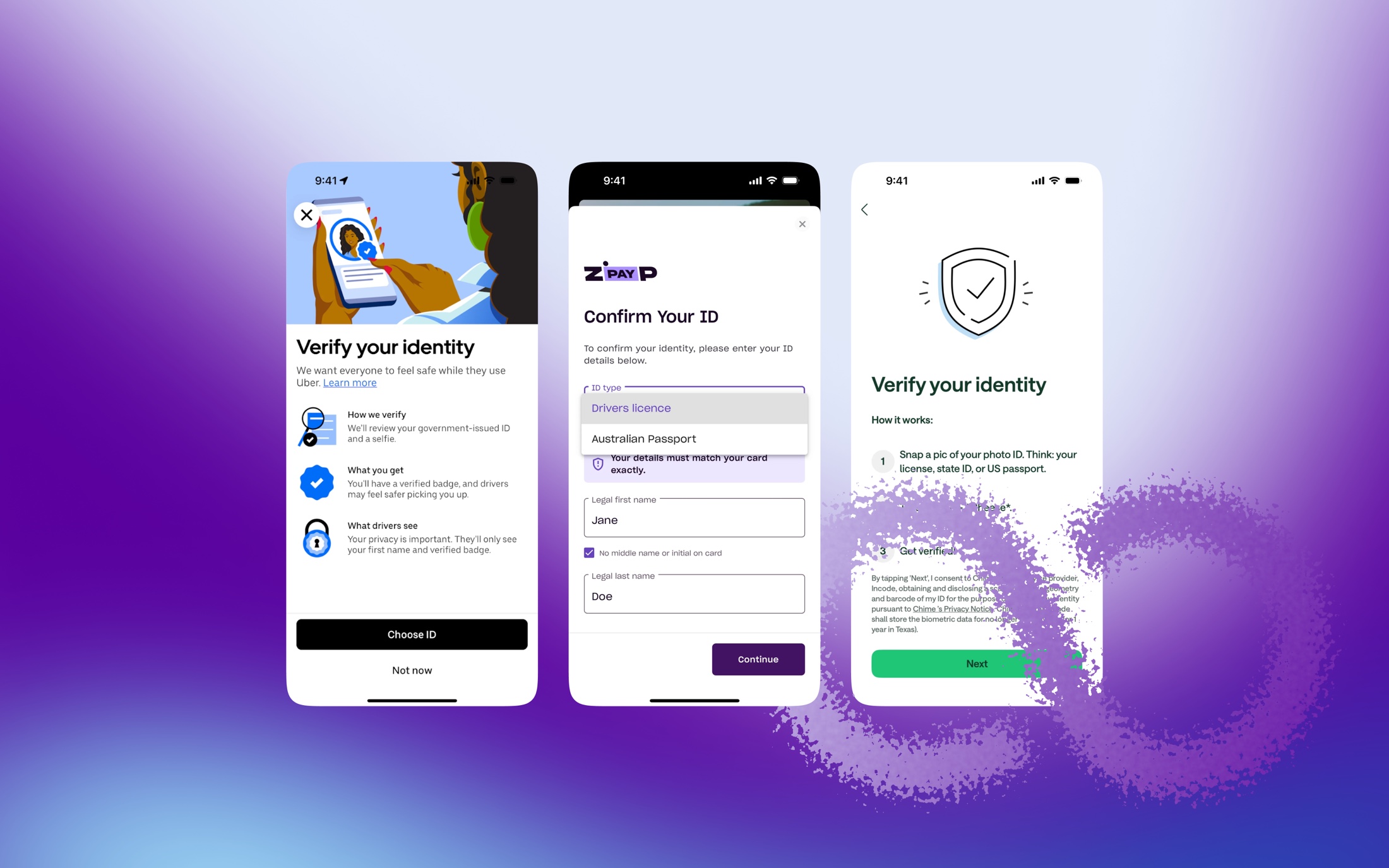
Today, organisations repeatedly verify and store the same identity information, creating slower onboarding, higher operational costs, compliance challenges, and increased security risks.
We wanted to explore a different model: what if people could hold their verified identity information and share only what was actually needed?
The goal was to build an enterprise platform that could make this possible — while giving organisations the tools to issue, verify and manage trusted digital credentials.
Solution
Through conversations with potential clients we uncovered an important limitation in our initial direction: organisations wanted identity verification to work inside the systems they already used. That changed the product question.
How might organisations integrate identity verification into their existing workflows?
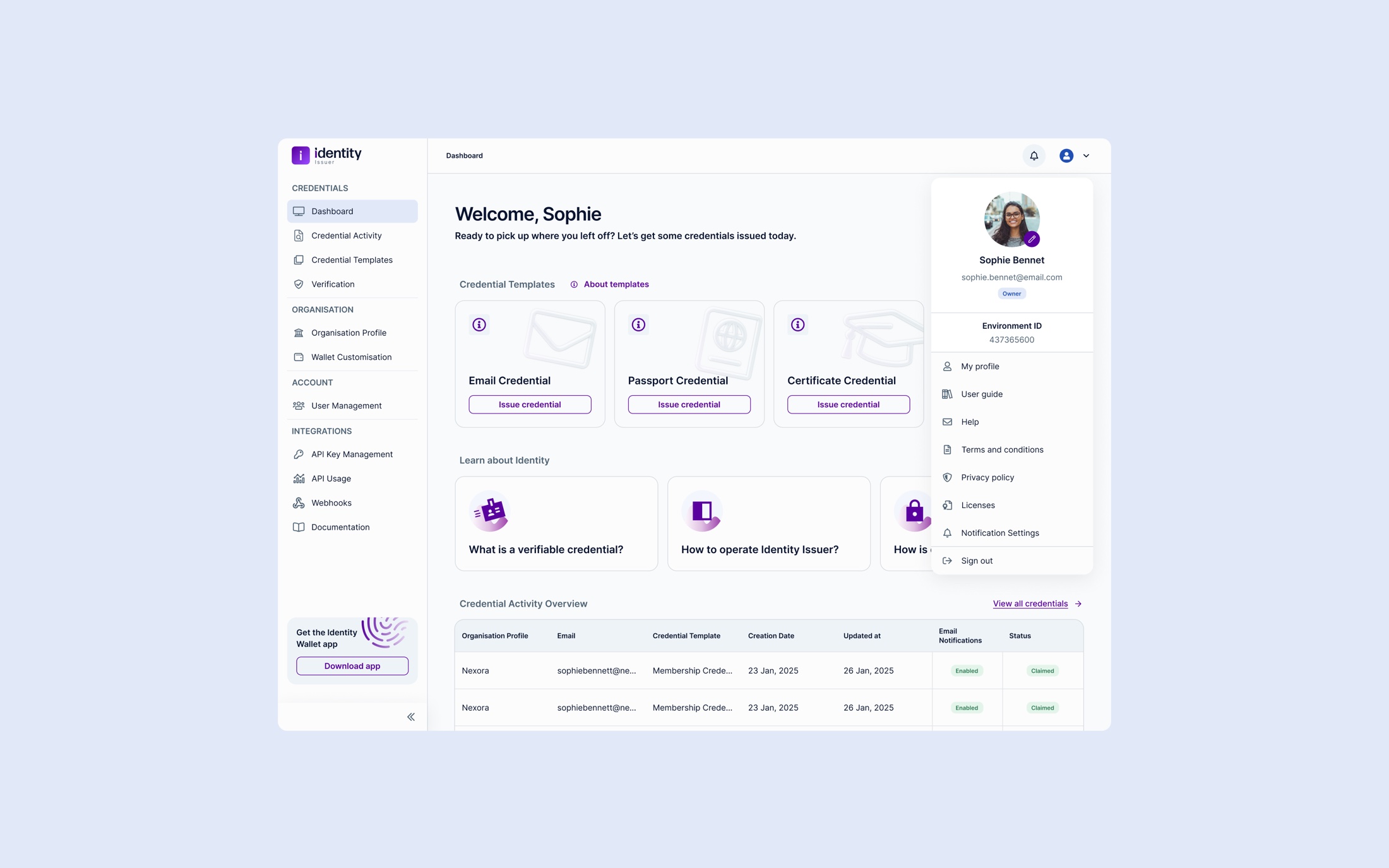
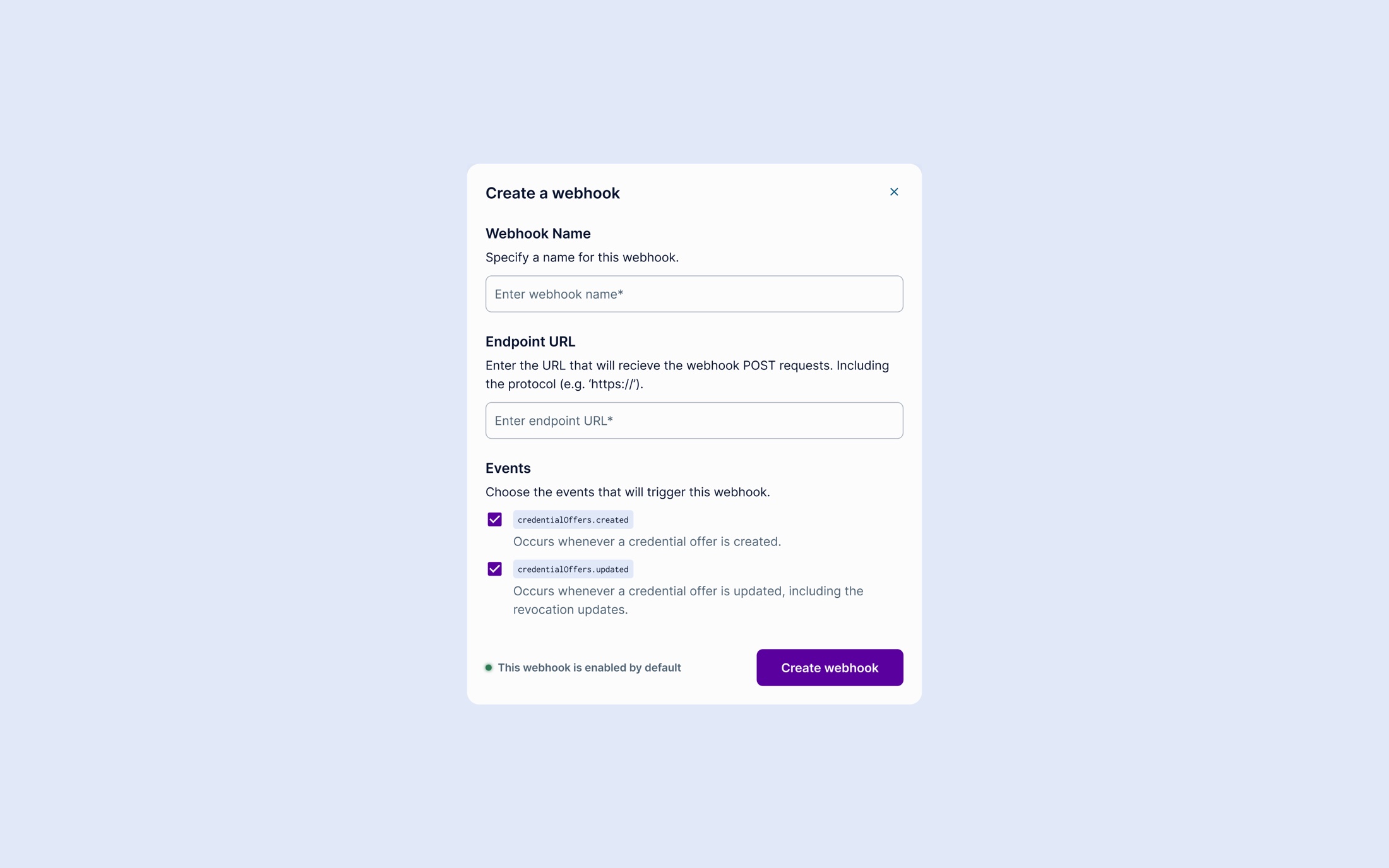
I helped shape the experience around the infrastructure organisations needed to connect identity services to their existing systems.
This included:
- API configuration — making it possible for technical teams to configure and manage integrations.
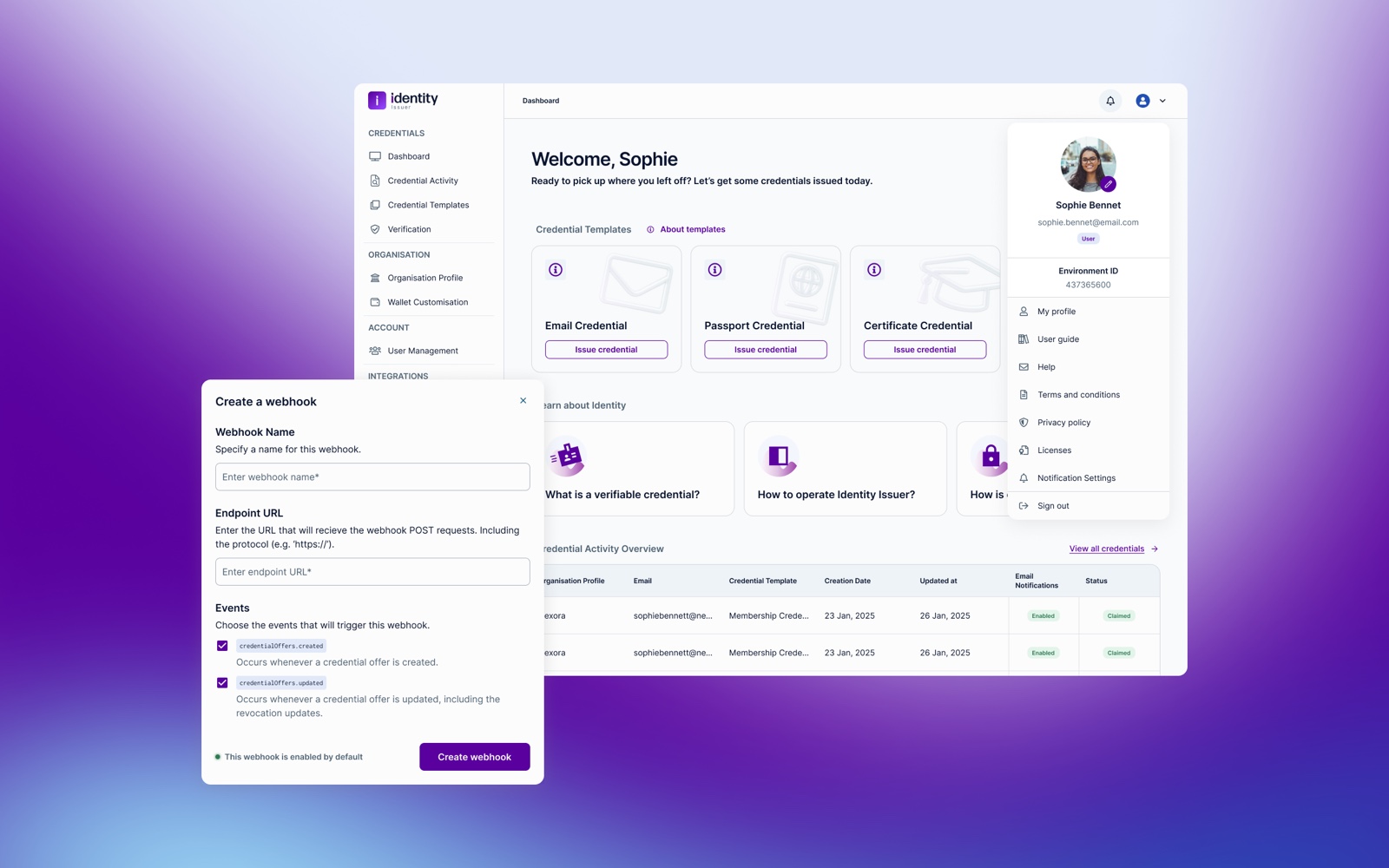
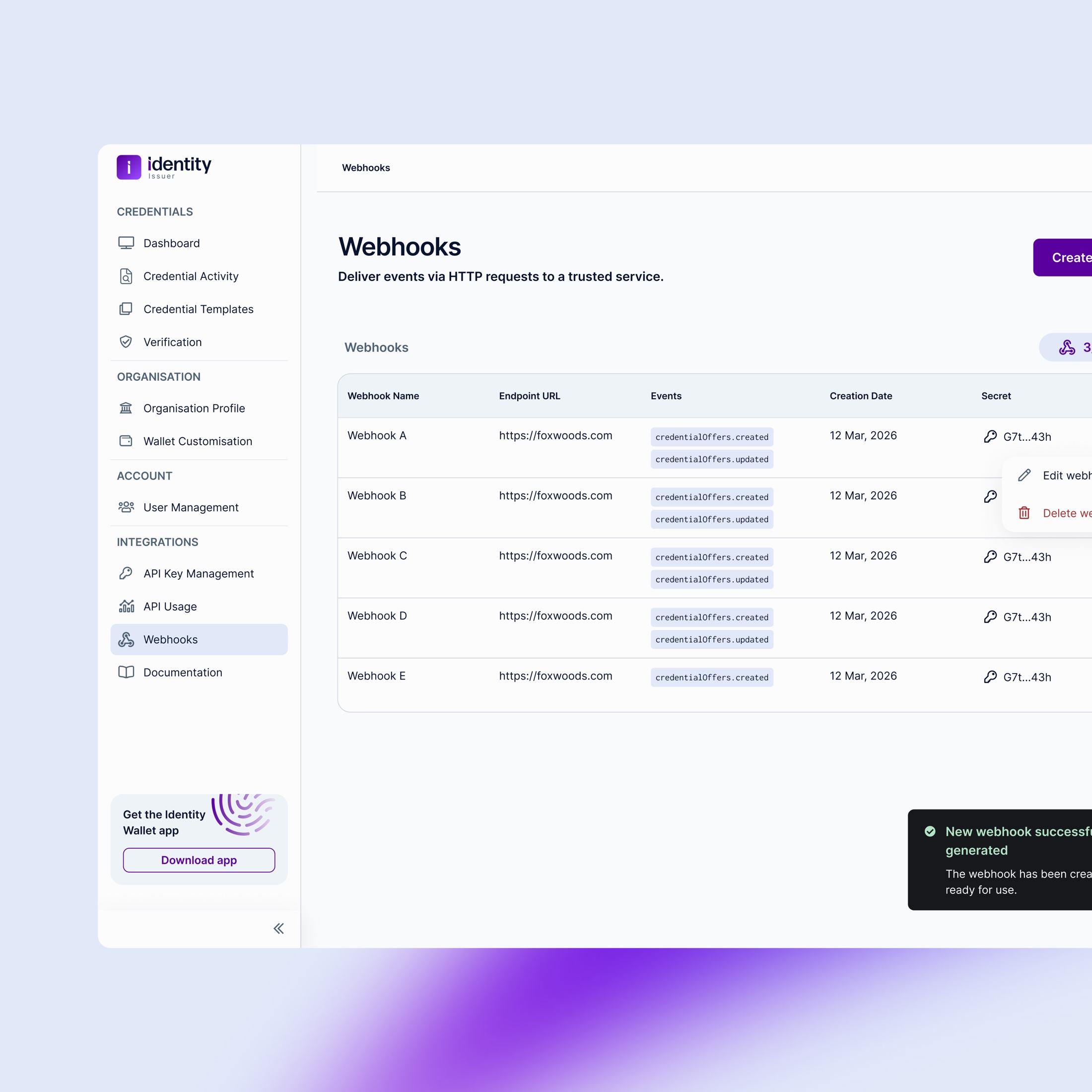
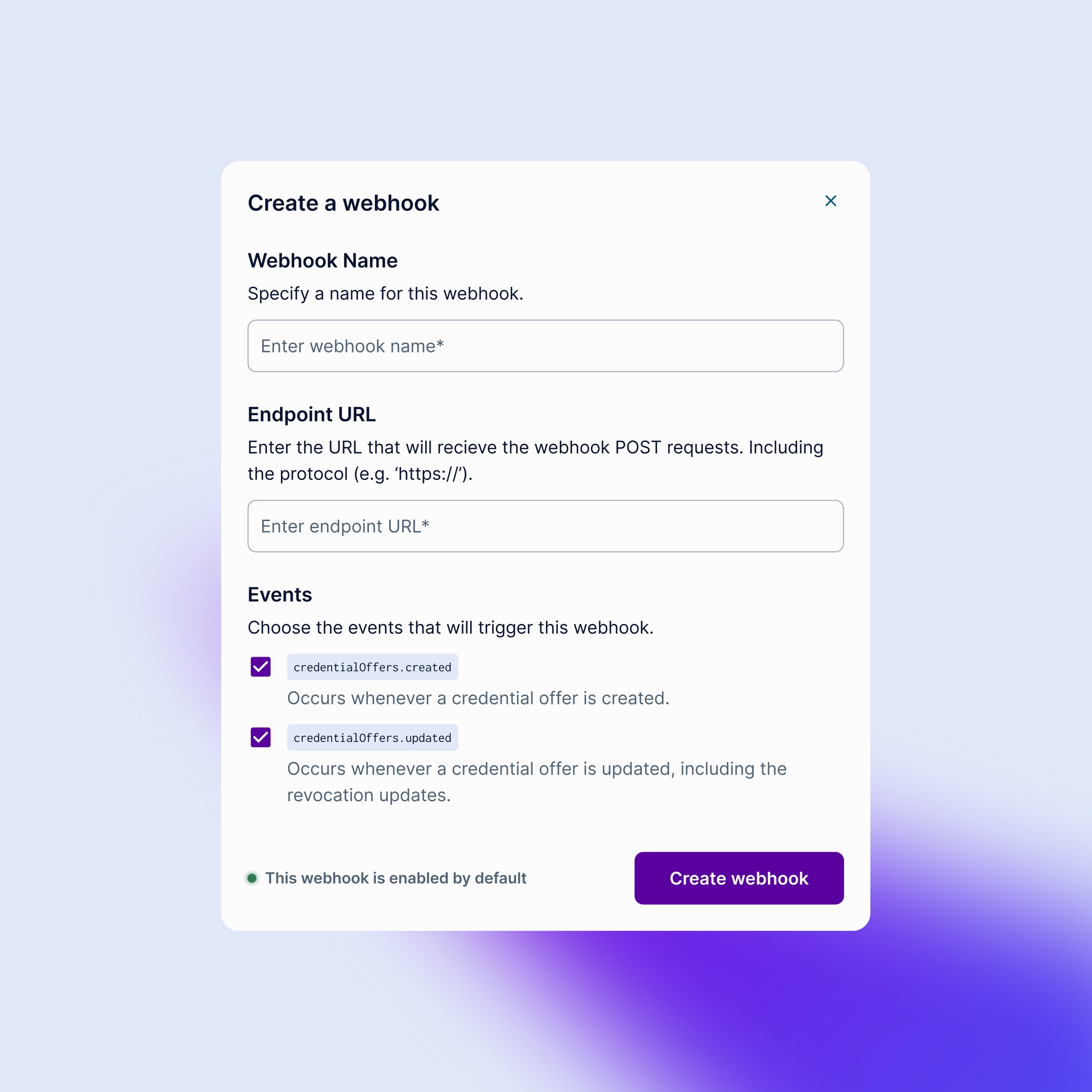
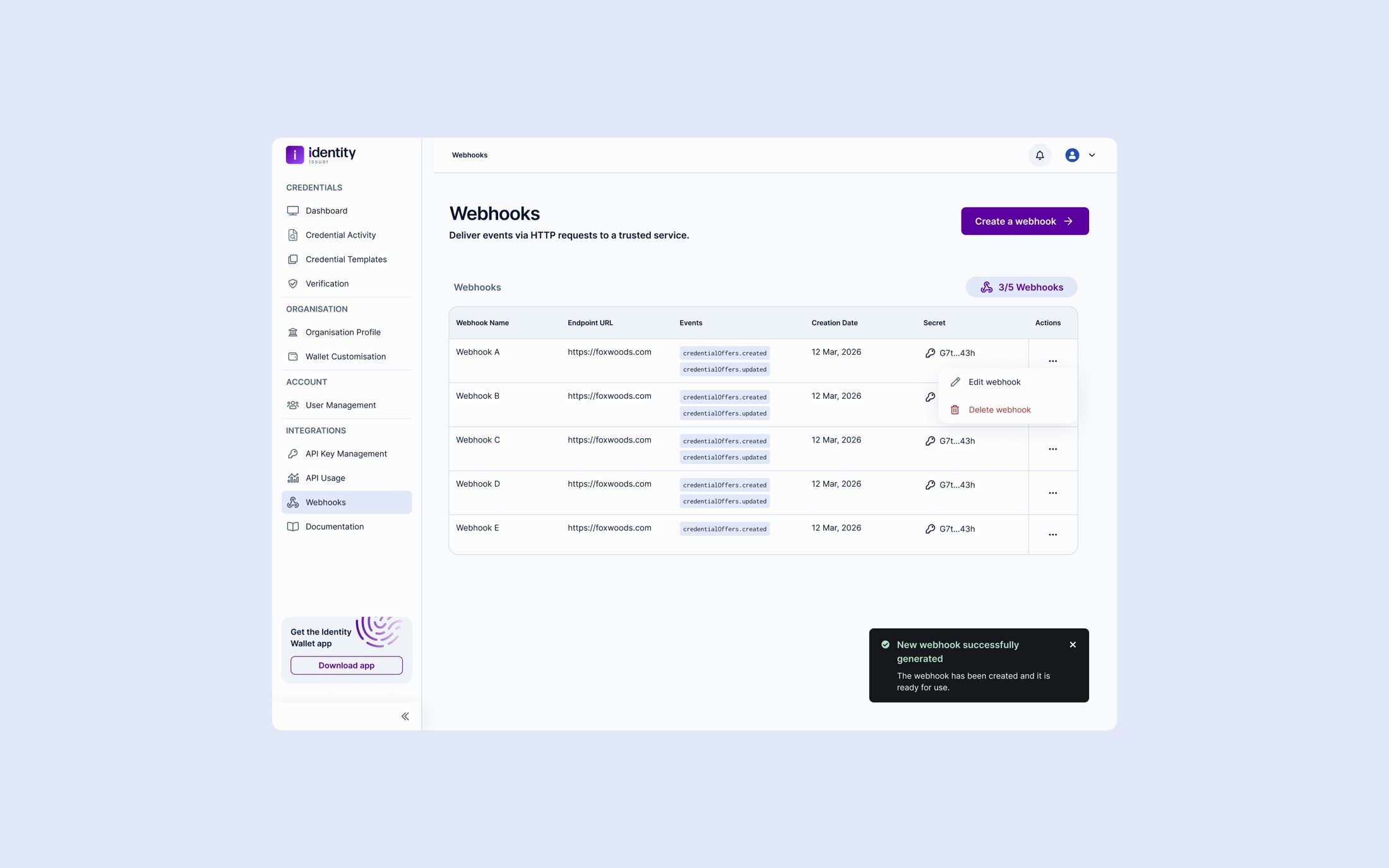
- Webhooks — allowing organisations to connect identity events to automated workflows.
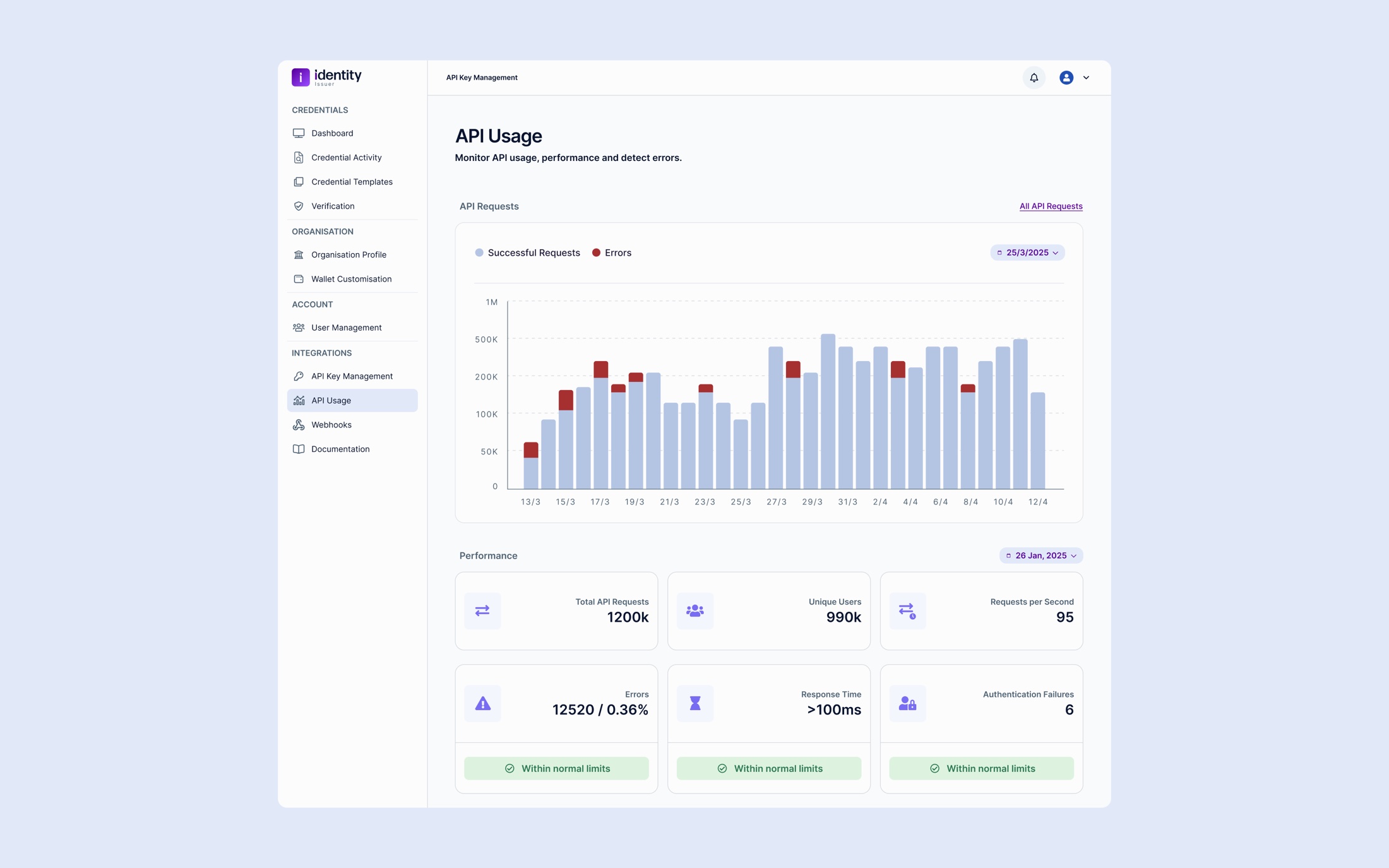
- API usage — giving teams visibility into integration activity so they could monitor usage and troubleshoot issues.
- Clear documentation
The design system also evolved alongside the product, giving the team a scalable foundation as new capabilities were introduced.
Usability testing
As we prepared the product for client pilots, we needed to make sure the new integration workflows worked for the people who would actually implement and operate them.
I recruited participants across relevant roles — backend developers, QA specialists, and product teams. I created realistic scenarios, facilitated moderated remote sessions, analysed the findings, and presented recommendations back to the product team.
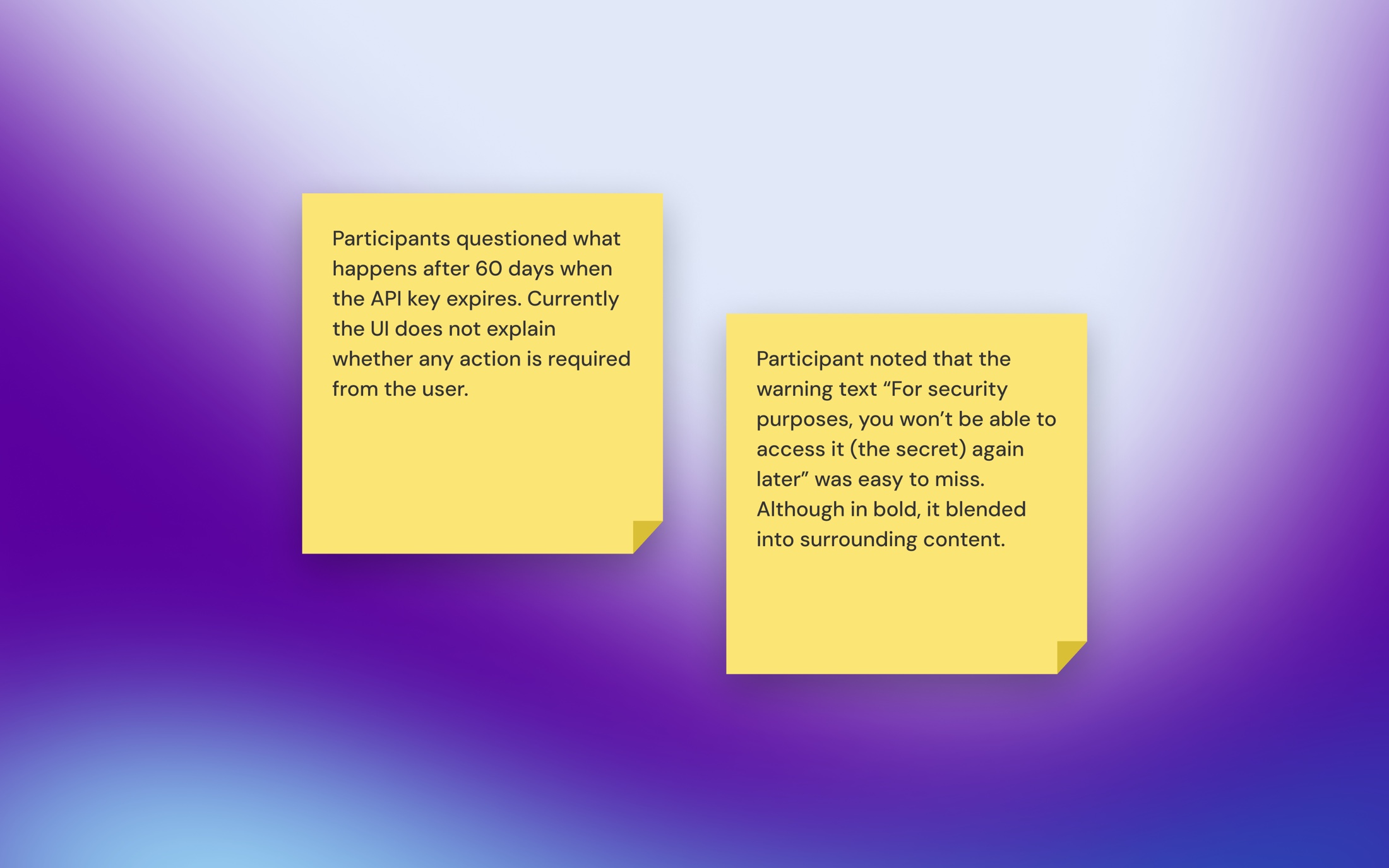
Testing uncovered issues around navigation, terminology and system feedback. We used these findings to simplify flows, clarify the interface and reduce uncertainty around what the system was doing.
Reflection & Impact
Discovery shapes the product.
Customer conversations and usability testing helped us challenge assumptions, prioritise what mattered, and evolve the product as we learned more about real-world needs.
Design can influence product direction.
By working closely with PMs, engineering, and commercial teams, I helped turn those insights into product decisions — from shaping the MVP to expanding the product beyond standalone portals into integrations.
Interested in working together?
I’m always open to new projects, collaborations, and conversations.